PLASTIQ · SENIOR DIRECTOR OF DESIGN
Repositioning a payments company
- Role
- Brand and product strategy; design organization lead
- Team
- 10+ including two managers — product design, design technology, marketing design
- Period
- 2021–2023
A rewards product in a business-finance market
Plastiq let businesses pay bills by credit card. The company talked about it the way a consumer product would — in the language of rewards and points. But the customers who mattered weren't optimizing for points. They were managing cash.
The company was also approaching a public market offering, which meant the story had to hold up to investors, not just to users.
The reframe: cash conversion cycle, not rewards
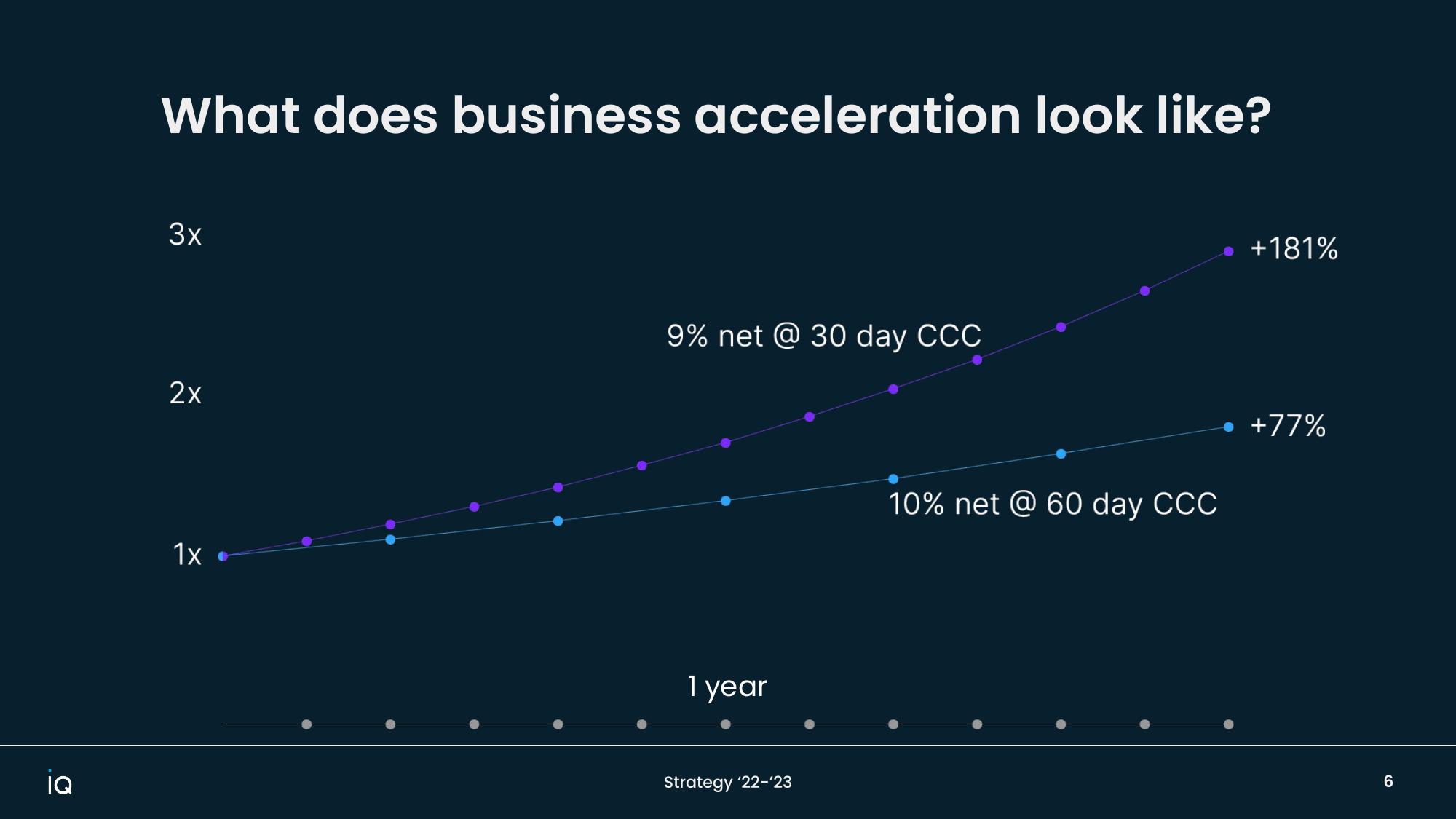
I built the strategy around a single idea: every business has the same amount of time, and businesses grow by making their money run faster laps.
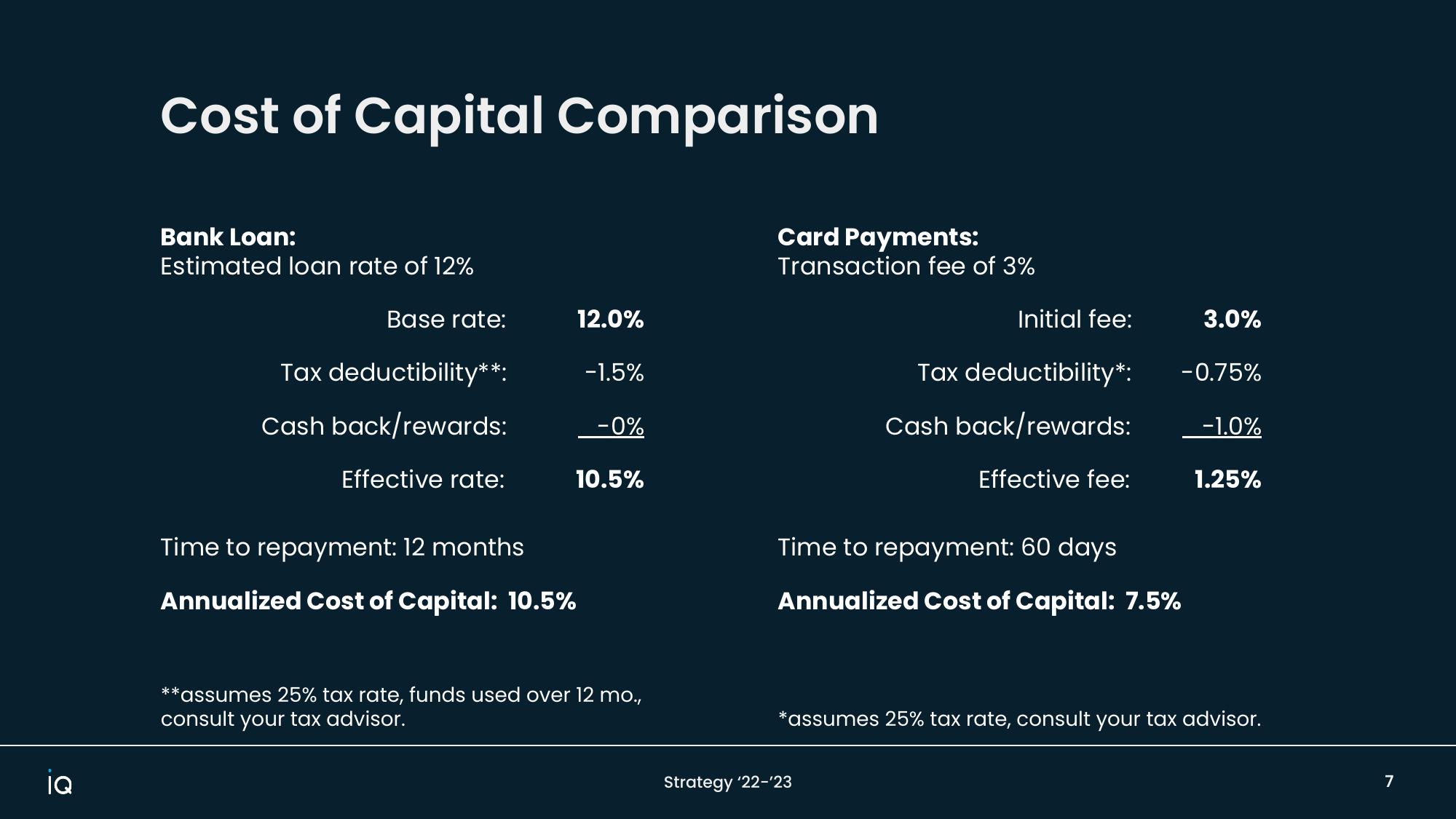
That reframed the product from a payments convenience into a working-capital instrument — and it produced an argument that could be made in numbers rather than adjectives. Paying a supplier by card at a 3% fee looks expensive next to a 12% bank loan until you account for tax deductibility, card rewards, and the fact that the card is repaid in 60 days rather than twelve months. Annualized, the card is the cheaper capital: 7.5% against 10.5%.
Three ways to be faster
The strategy resolved into three levers the whole organization could work against — payment speed, cash conversion speed, and workflow speed — and into a decision filter I put in front of every prioritization conversation:
Will this effort improve speed and performance? Will this feature accelerate our customers' business?
Design operations at the level that actually matters isn't a process document. It's a question that's cheap to ask and expensive to ignore.
One product, three ways to win
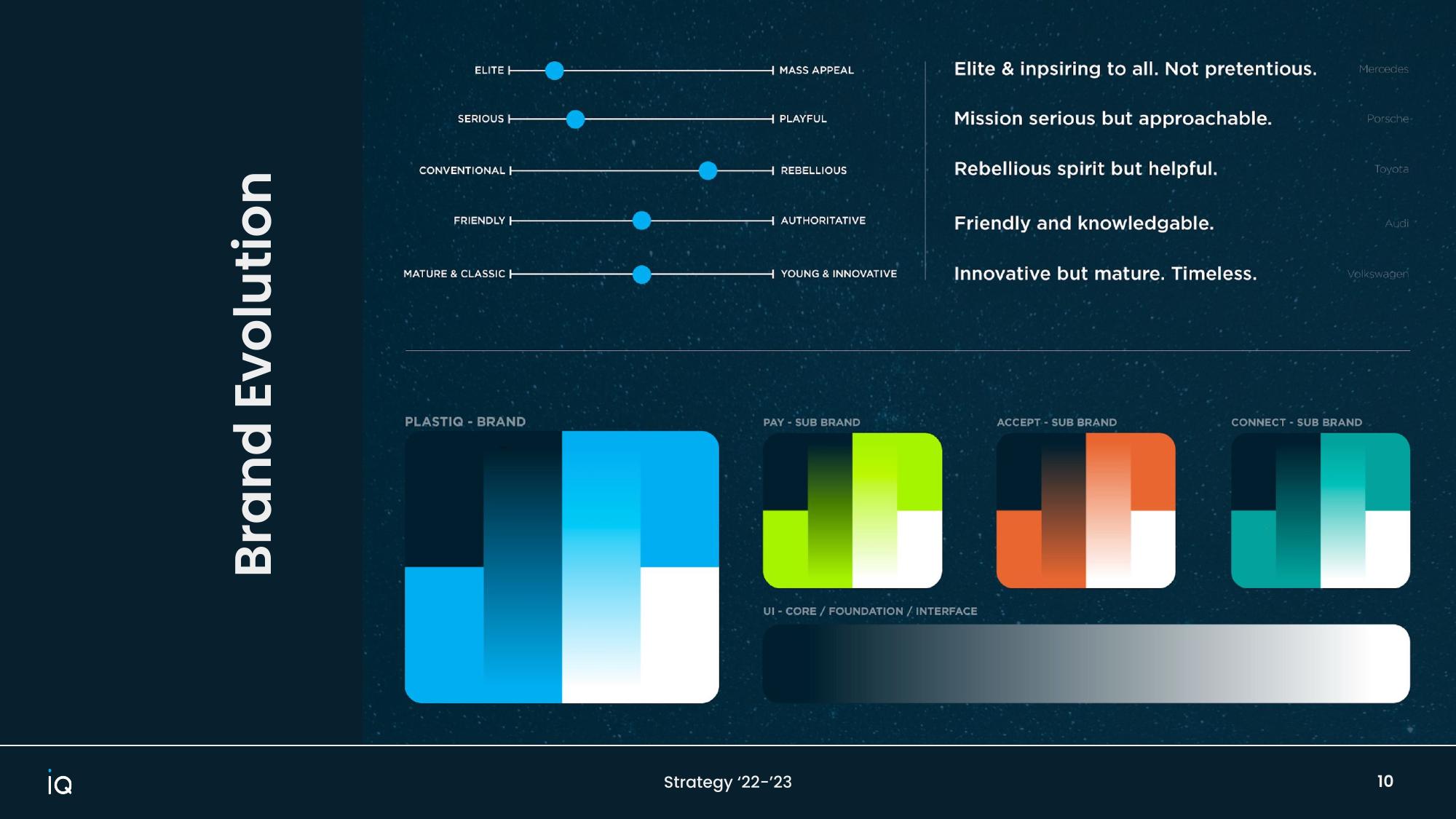
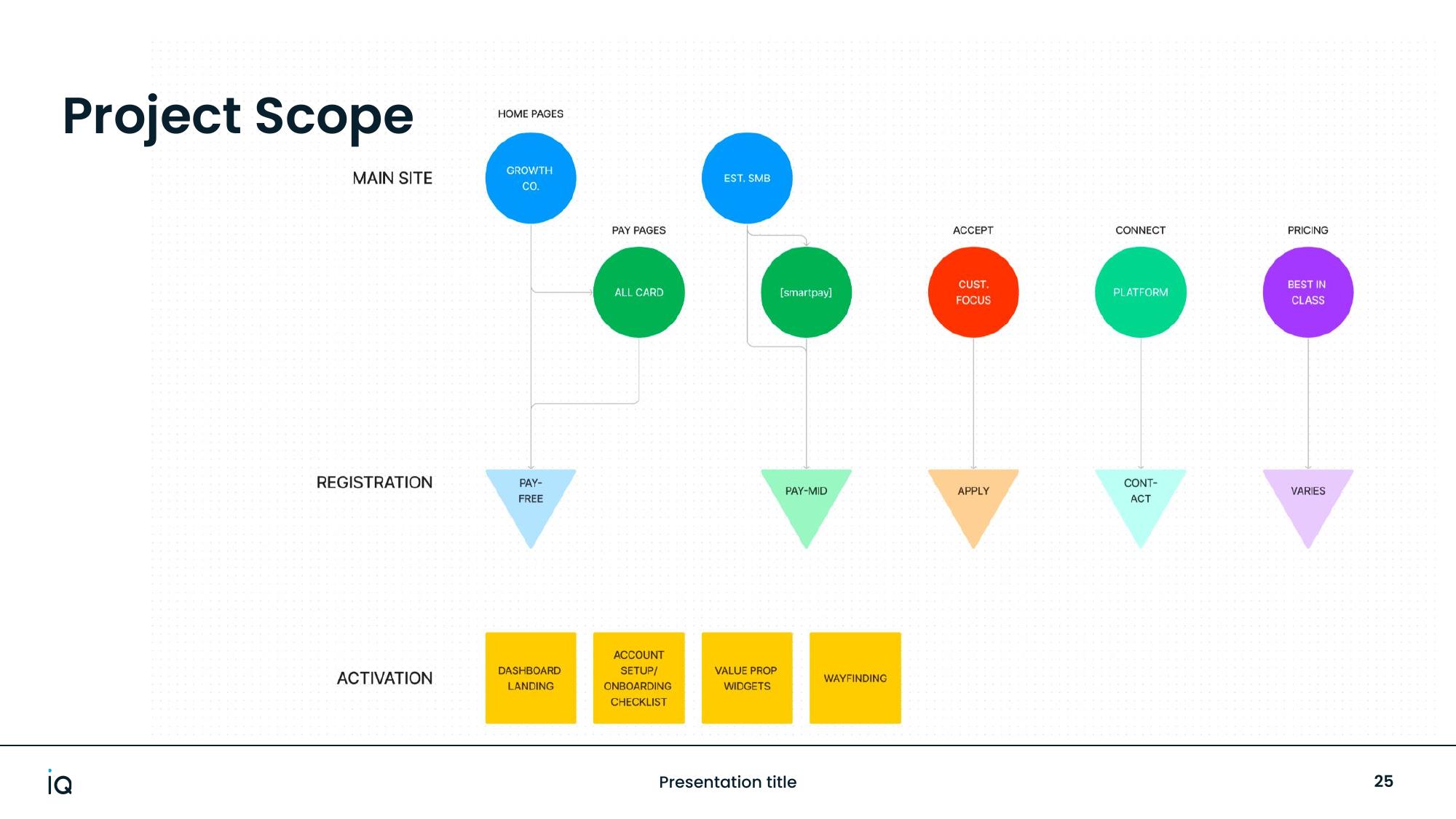
The strategy split the offering into three named lines — Pay, Accept, and Connect — while insisting they remain one product with one account. Pay extends days payable. Accept reduces days sales outstanding. Connect embeds both into other platforms' ecosystems. Each line got its own sub-brand within a shared visual system.
Why marketing design moved into my organization
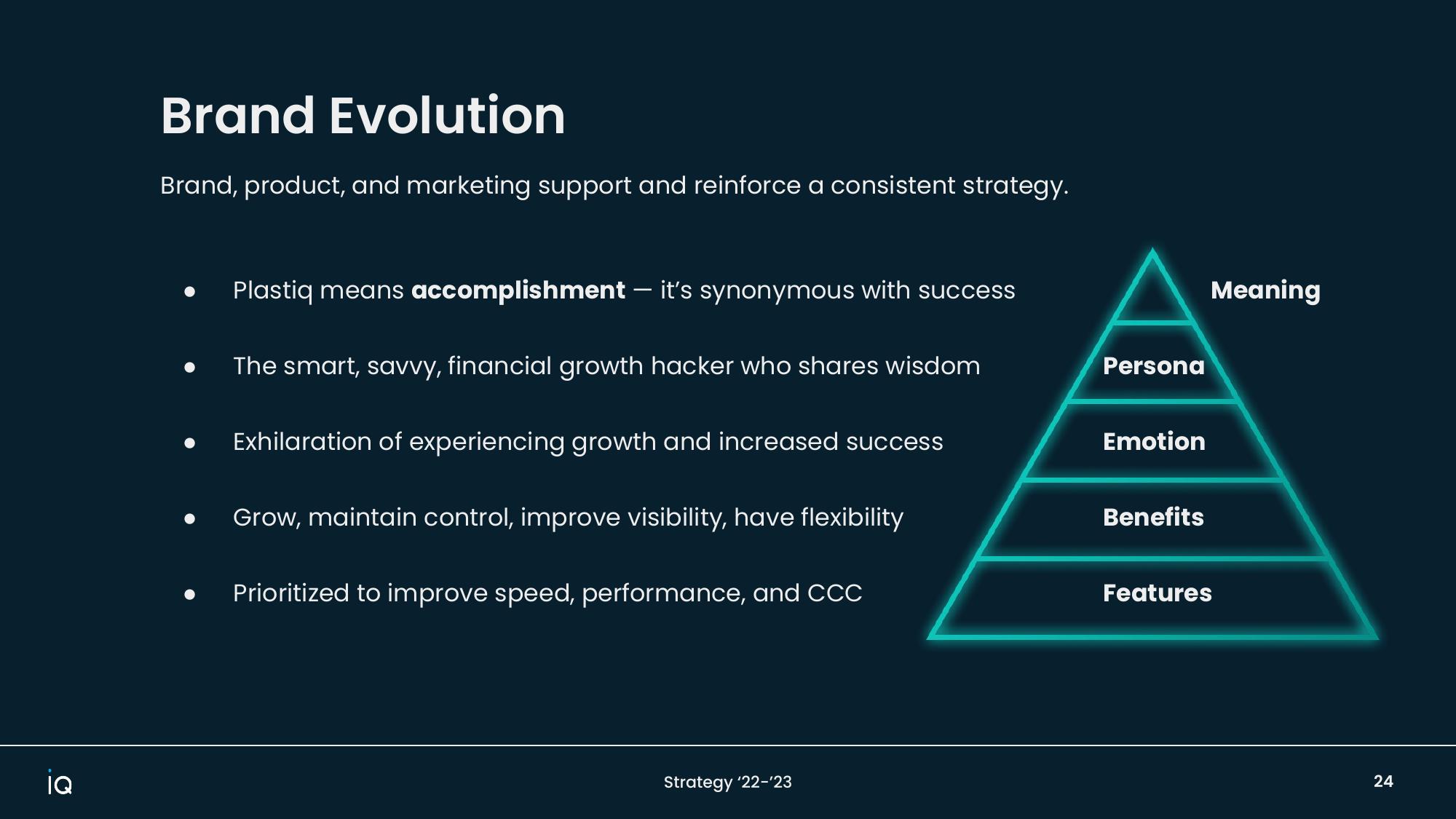
A repositioning fails if the product says one thing and the marketing says another. Brand, product, and marketing had to reinforce a single strategy across every customer touchpoint, which is why marketing design moved under me alongside product design and design technology.
To keep a team that size executing at pace without losing craft, I ran two parallel review cadences: strategic reviews for direction and sequencing, and separate execution reviews focused on flows and individual screens. Mixing the two is how teams end up debating button placement in a strategy meeting and shipping incoherent products anyway.
Outcome
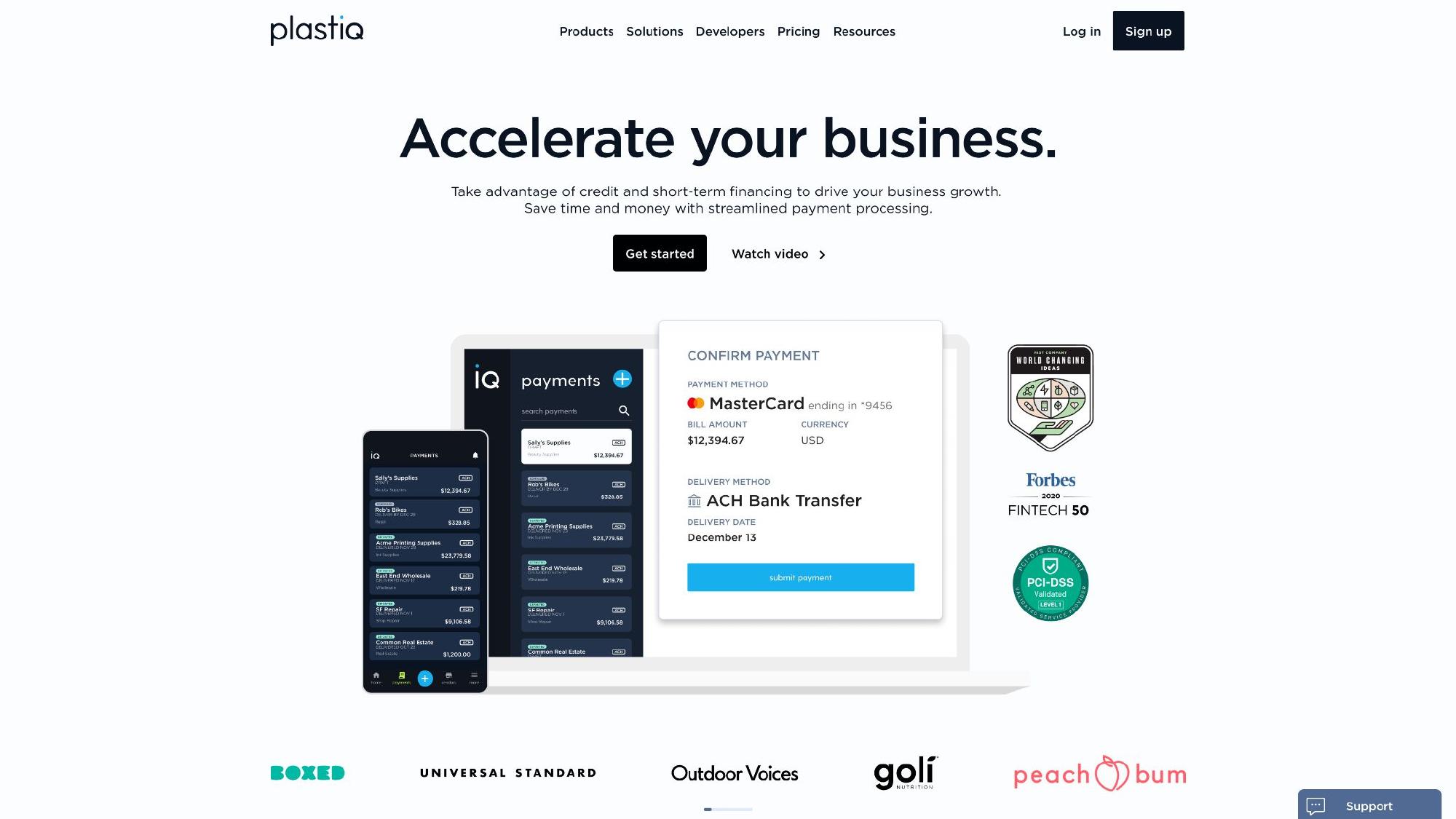
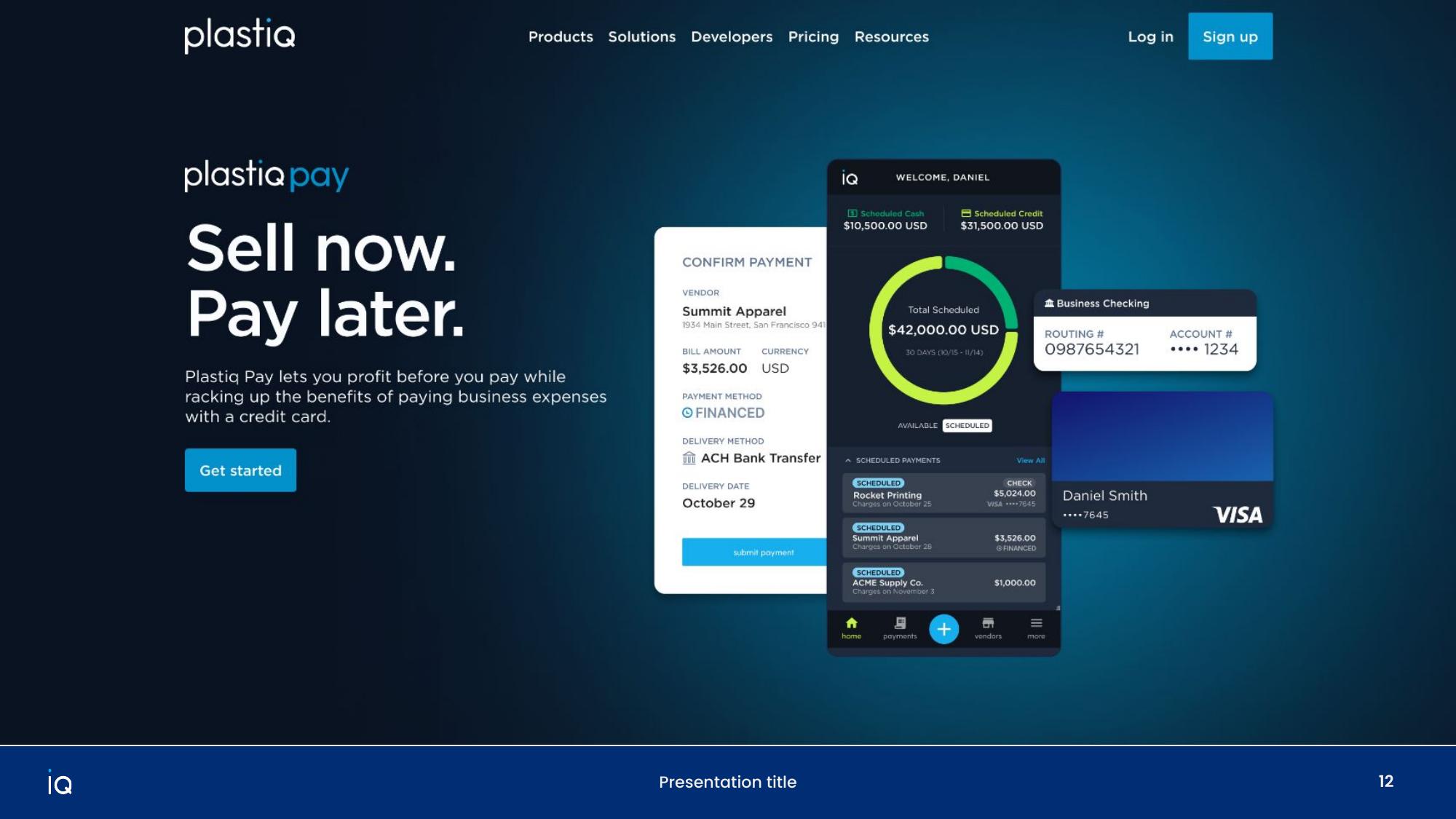
The repositioning shipped across brand, web, and product. Design-led growth initiatives contributed to a 3x valuation increase during my tenure.
Full decks
Plastiq Brand Strategy '22–'23 · Open full deck
Plastiq Web Update, Q4 2022 · Open full deck